A hundred years ago, engineers built industrial sites prioritizing scale and output. Today, refineries, power plants, and heavy industry must navigate efficiency targets, environmental standards, safety requirements, and economic pressures.
CTP has supported operators across every stage of this evolution, from refractory furnaces to effluent-free, PFAS-ready solutions, adapting our expertise as industry expectations evolved decade by decade.
Foundations of Industrial Cleaning (1920s – 1950s)
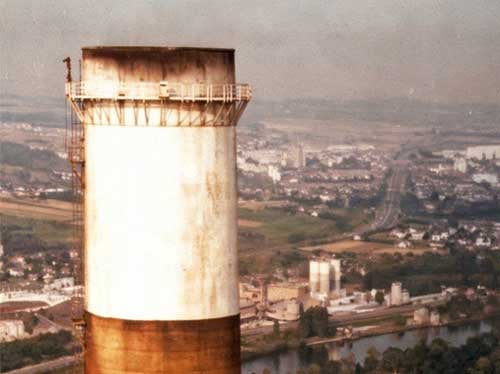
Rapid industrialization defined the early 20th Century. Refineries, furnaces, boilers, and power-generating assets expanded in size and complexity to support growing energy and production needs. The primary challenge was to build a durable infrastructure capable of sustaining continuous operation. Our furnace and chimney expertise helped customers build and maintain the thermal heart of refineries, power plants, and heavy industry. This established our long‑term focus on reliability and safety that would continue to serve customers in the decades to come.
Post-World War II, industrial activity surged and equipment complexity increased. Traditional mechanical methods could not maintain the required level of performance, leading to the emergence of industrial cleaning as a specialized discipline.
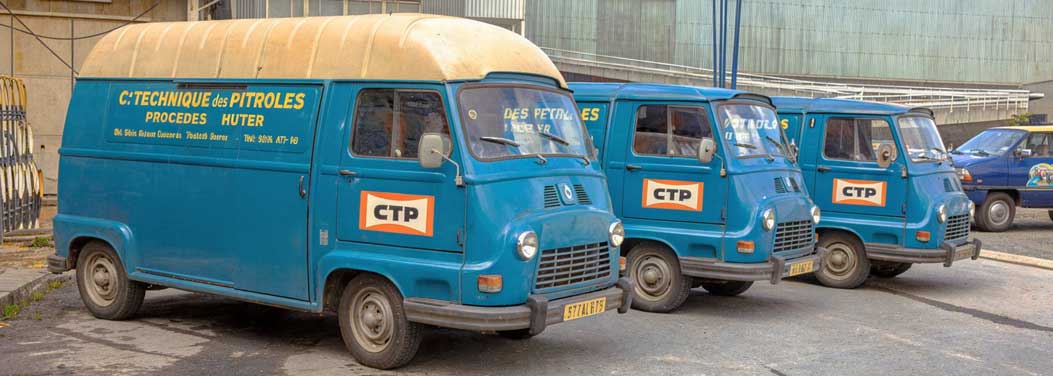
In 1954, we expanded into industrial chemical cleaning, forming the department that became CTP environnement and introducing the HUTER® process for oil-fired boilers and furnaces. This marked the start of our company's process-driven innovation, which is rooted in using tailored chemistries to improve efficiency and asset longevity.
Regulation and Environmental Awakening (1960s – 1970s)
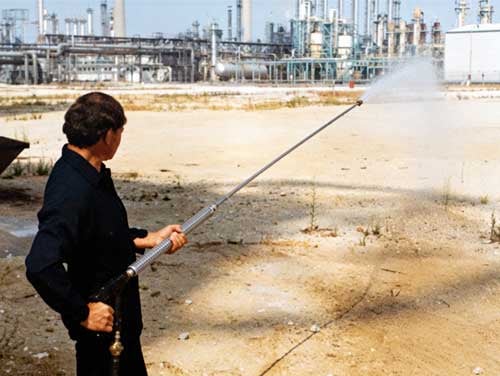
As industrial output increased around the globe, performance was no longer the only measure of success. Public concern and new environmental laws emphasized emissions, discharges, and community impact. Operators now had to demonstrate control over site outputs, not just production volumes.
This period introduced a new layer of complexity, making chemical cleaning and effluent management essential for compliance and performance. Cleaning now supported stricter discharge limits, protected treatment infrastructure, and reduced unplanned releases or unsafe interventions.
At the time, the emerging belief, which was still gaining early traction, that industrial performance and environmental responsibility were inseparable shaped the decades to come.
Specialization and Online Cleaning (1980s – 1990s)
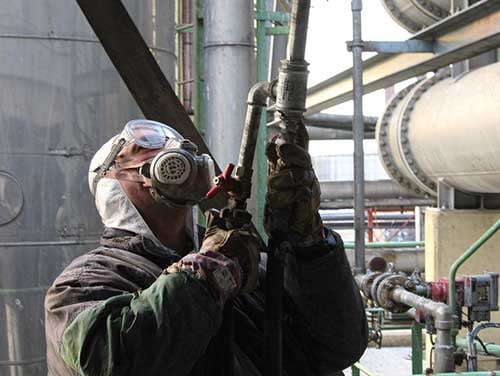
As plants grew larger and more integrated by the late 1980s, industrial priorities shifted again. Shutting down critical equipment for cleaning had become increasingly costly; operators now needed solutions that restored performance without halting production or increasing personnel risk.
We responded with specialized processes that defined modern industrial cleaning. These solutions restored heat-transfer efficiency and stabilized operations while equipment remained in service:
- NEUTROL® (1982): Second-generation evolution of the HUTER® process. Advancing cleaning performance, the process enabled offline equipment cleaning and expanded CTP’s ability to restore performance in line with evolving industrial demands.
- ANHYDROL® (1992): An online furnace‑cleaning solution that allowed operators to maintain efficiency without full shutdowns.
- DECAMEX® (1994): A breakthrough in online air‑cooler, air-cooled condenser, fin fan, fan heater, and ACHE cleaning that set a new standard for performance and operational continuity.
The shift from shutdown-based maintenance to online intervention marked a major evolution in asset management, turning cleaning from a reactive service into a proactive tool for performance optimization within operational strategy.
Globalization and Modular Treatment Solutions (2000s–2010s)
During the 2000s, global industrial production expanded rapidly. Operators built or upgraded facilities worldwide, often under tight deadlines and unique site constraints. They needed partners who could deliver proven methods, quality, and a strong safety culture across continents.
We met that demand through strategic expansion, establishing CTP environment Asia Pacific in Singapore (2003) and CTP ambiente in Portugal (2008). Further growth in Canada (2014), the United States (2018), and the United Kingdom (2019) completed coverage in key regions.
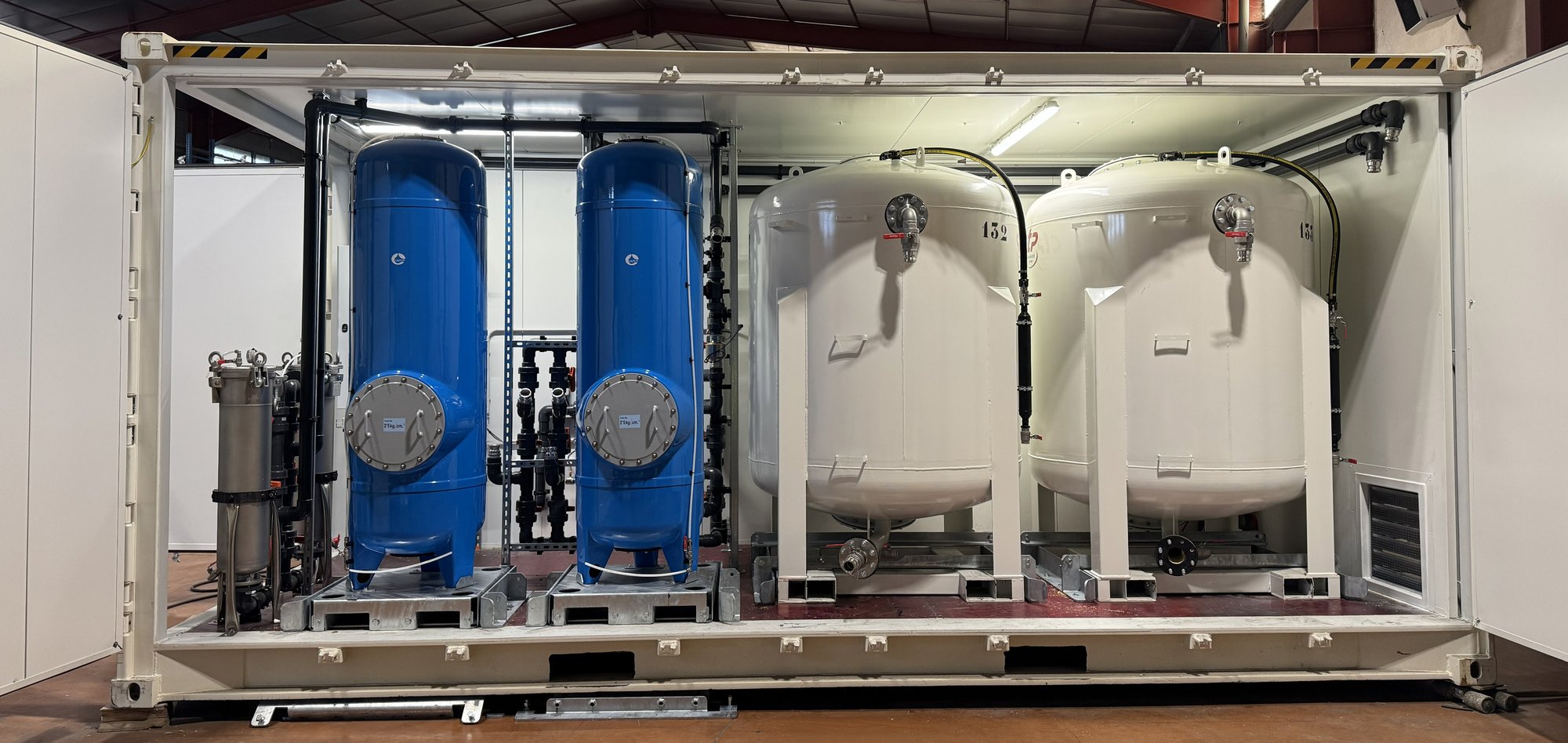
With increasing water scarcity and stricter discharge limits, we broadened our focus to comprehensive environmental solutions. This led to the launch of mobile effluent treatment services in 2007. These units treated complex streams on-site without permanent infrastructure:
- NEUTRAMEX® (2004): The evolution of the ANHYDROL® process, pushing online furnace cleaning performance further.
- CLEARFLOW® (2008): Mobile physico‑chemical treatment via settling.
- AEROMOBIL® (2010): Air flotation to capture fines and emulsions.
- BIOMOBIL® (2011): Mobile biological treatment for organic loads.
By the end of the decade, we were supporting customers in more than 45 countries, offering chemical, physico-chemical, and biological solutions through regional teams familiar with local regulations and operational needs.
The New Realities of Industrial Operations (2020s)
The 2020s have brought competing pressures. Achieving a cleaner, safer, and more agile industrial cleaning and treatment operations requires understanding the primary forces at play:
-
Energy transition and decarbonization: Operators must reduce emissions, improve energy efficiency, and shift to low‑carbon fuels such as hydrogen to satisfy regulations and stakeholders alike. Cleaning that restores heat‑transfer performance, waste-reducing effluent strategies, and water‑reuse systems can directly support these objectives.
-
Low-margin operations: With capital expenditures under review, many organizations are prioritizing flexible, project-based services and modular units that provide rapid ROI without permanent infrastructure.
-
Digitalization, safety, and PFAS: Remote monitoring, data-driven decisions, drone inspections, and closed-loop processes are reducing the need for on-site personnel. PFAS regulations require specialized treatment for persistent contaminants.
Our latest innovations are designed with these pressures in mind. The 2022 integration of PLM Equipements added mobile treatment hardware and rental capabilities. We integrated air treatment solutions into our new service portfolio: air extraction, air pollutant filtration, adsorption, and stripping.
In 2026, we are introducing additional innovations aimed at PFAS treatment, water reuse, and safer online cleaning:
-
PFASMOBIL®: A mobile unit for PFAS treatment that enables customers to address persistent contaminants on-site. It minimizes downtime while supporting compliance with emerging regulations in a flexible and efficient way.
-
RE‑Source® label: An integrated model for water reuse and resource recovery that supports circular water strategies and stronger ESG commitments.
-
DECAMEX®: We are adding new services around the DECAMEX® process, such as advanced safety features and data-driven performance monitoring. We are also introducing preventive services, reinforcing our commitment to digital, low-exposure solutions.
Together, these developments give customers practical ways to cut emissions, reduce waste, and manage risk more proactively while keeping critical assets online and productive.