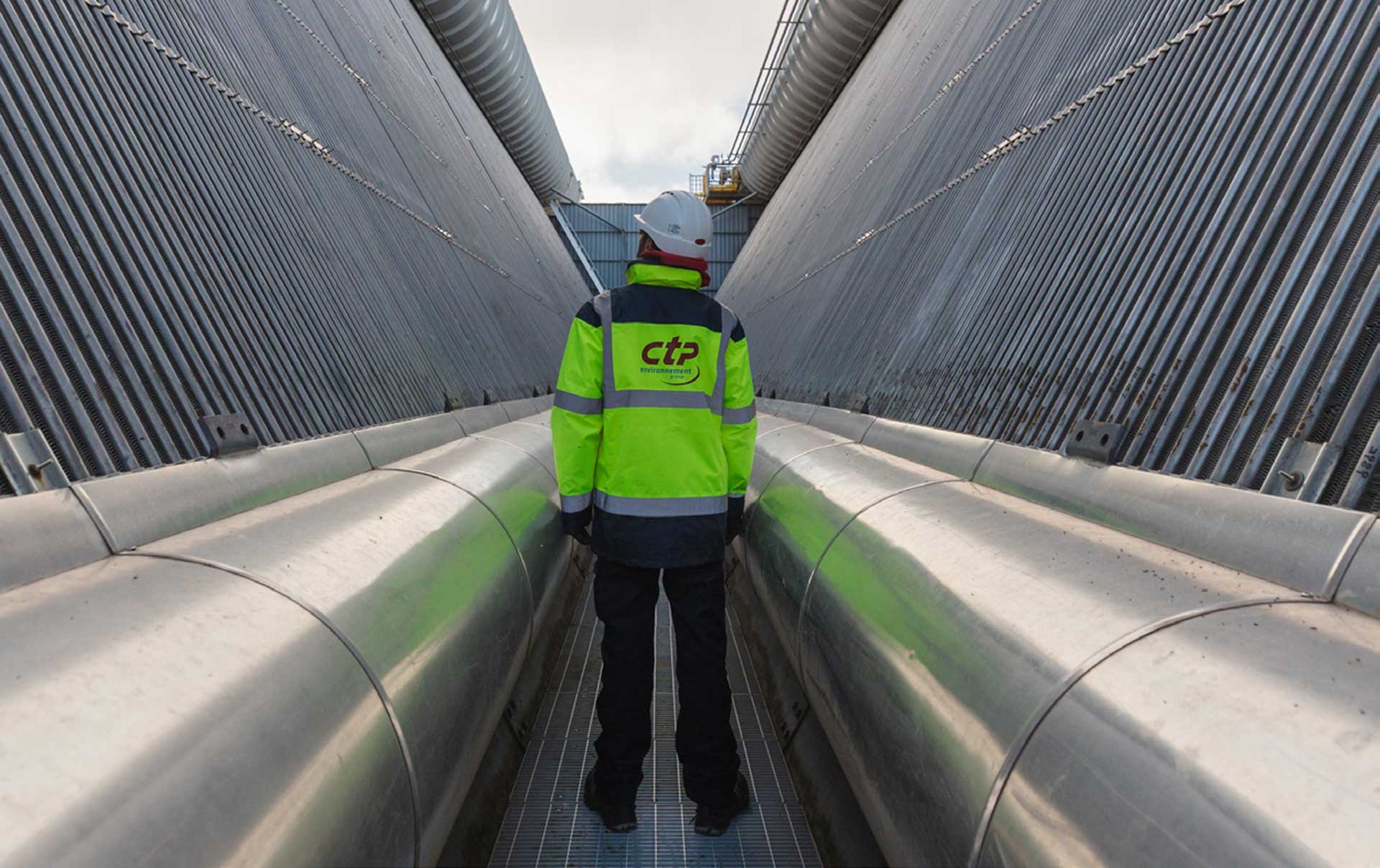
Air-cooled heat exchangers (ACHE) and condensers are essential to large energy and process-industry facilities. Their performance directly affects throughput, energy efficiency, emissions control, and operational stability. When cooling performance declines, it directly translates into financial losses. From there, the effects compound: higher fan power consumption, increased emissions, reduced operating margins, and greater strain on critical assets.
In 1994, we introduced DECAMEX® to address these challenges. From the outset, it was designed to combine productivity and sustainability. The process cleans air-side surfaces online without water, foam, or effluent, providing immediate performance recovery and reducing environmental impact.
Three decades later, as we celebrate 100 years in service, DECAMEX® enters a new phase beyond cleaning alone. The new generation of DECAMEX®, launched in 2026, has evolved into a data-driven, safety-focused solution for ACHE throughout the energy sector.
The Road to DECAMEX®
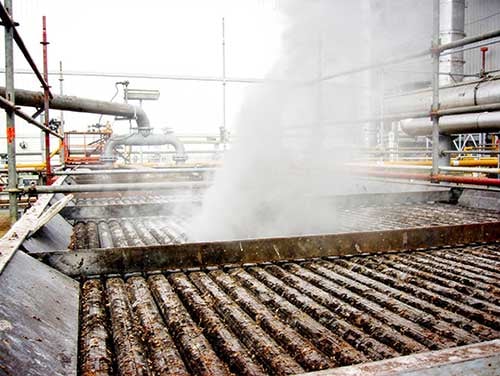
To understand why DECAMEX® and its latest evolution matter, it helps to look back at how ACHE cleaning was typically performed.
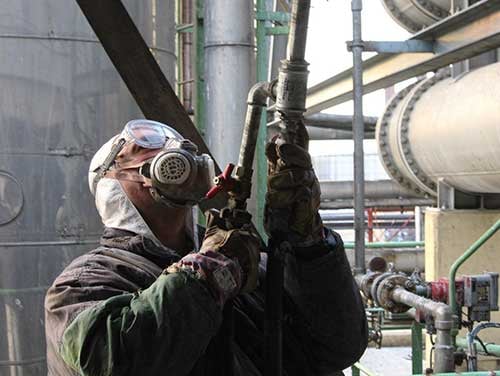
By the early 1990s, it was clear that the industry needed a new approach to restore cooling performance without compromising safety, operations, or environmental responsibility.
A New Way to Restore Cooling Performance
We developed DECAMEX® to address these limitations. Its core principle is straightforward: Thoroughly clean ACHE and condensers during operation using a dry, biodegradable process.
DECAMEX ® is the only solution in the market authorized to clean both the front and backside of the tube bundle, reaching up to 12 rows deep without any reduction in cleaning efficiency. The process ensures full-depth bundle penetration, rather than partial surface cleaning.
Our technicians apply a specially formulated dry powder with low-pressure compressed air using an equipment specifically designed and engineered by CTP for the DECAMEX® process. The application is performed without water or foam and adapted to each ACHE configuration:
- On induced‑draft units, fans can remain in operation during cleaning, avoiding production losses that typically accompany traditional methods.
- On forced‑draft units, the fan is shut down for approximately 45 minutes to one hour, while the process itself remains online.
- On A‑frame units, the fan is usually shut down during the intervention.
Technicians work from the ground level or existing platforms, eliminating the need for scaffolding, plenum access, or walking on bundles. Controlled low-pressure air propels powder between fins, dislodging deposits throughout the bundle. Because the process generates zero liquid effluent, site logistics are simpler, and environmental impact is minimal.
This process offers distinct advantages that still set it apart today. Its proven capacity to not cause abrasion, corrosion, or stress-corrosion cracking on aluminum or stainless-steel fin helps preserve finned‑tube integrity over the long term. With no liquid discharge and minimal intervention time, it also has a smaller environmental footprint than traditional wet methods.
This combination of online, complete cleaning, equipment safety, and zero effluent makes DECAMEX® especially practical for continuous operations that require reliable cooling.
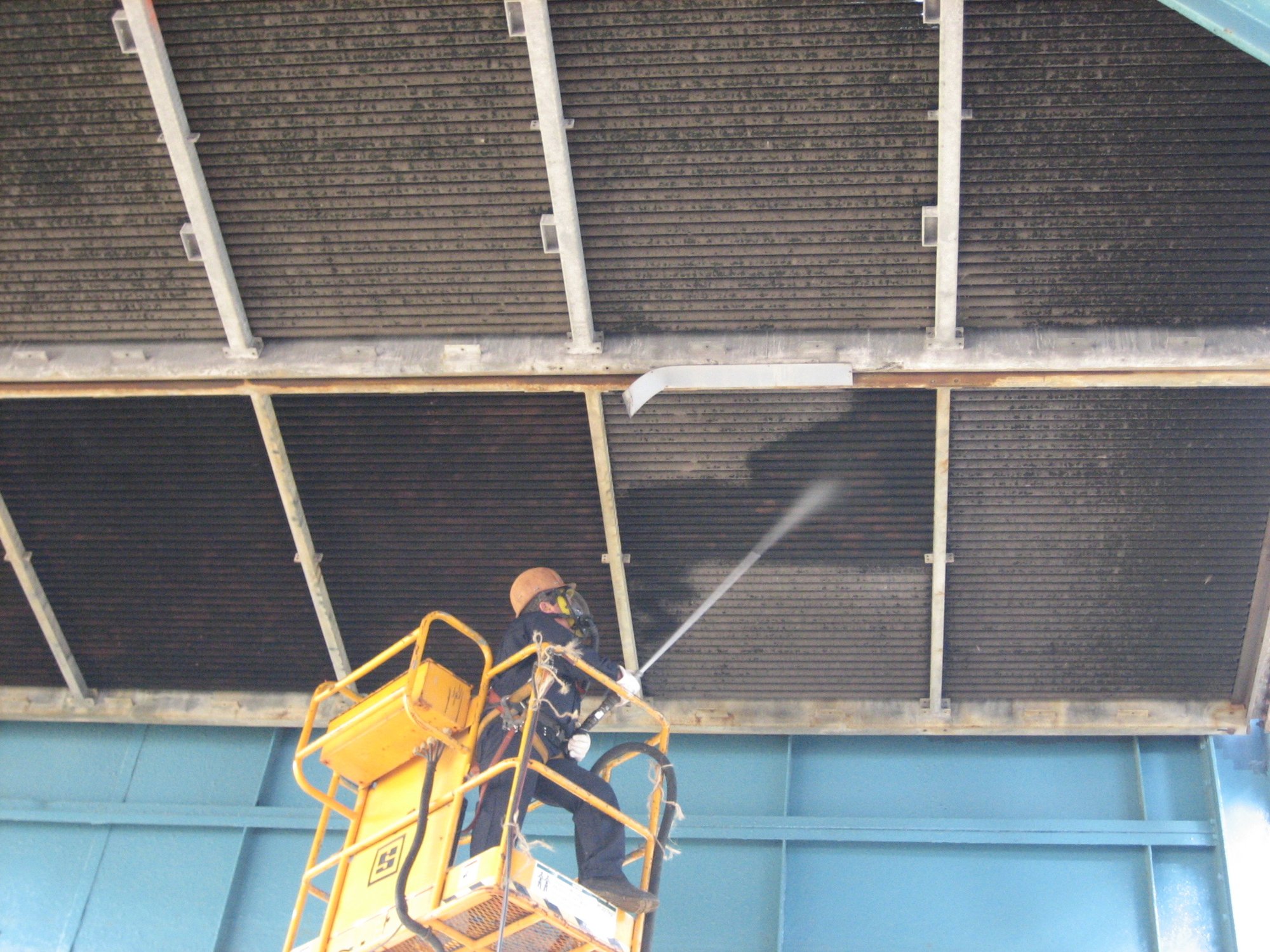
Why Operators Rely on DECAMEX® Worldwide
The effectiveness of any cleaning method relies on its field results. DECAMEX® has built its reputation on consistent, measurable outcomes in real operating environments. Operators see rapid improvements in performance and ROI, with significant gains in airflow and heat transfer compared to alternative methods across multiple projects.
At an LNG plant on the U.S. Gulf Coast, we applied the DECAMEX® process to 820 fin fans after five years of operation. Following the procedure, the plant reported improved efficiency and substantial gains in fan performance compared to previous methods. Read the full story here.
We have documented similar results in refining and energy-from-waste facilities. In these plants, improved cooling after DECAMEX® led to greater process stability and efficiency during high temperatures.
Beyond performance, operators choose DECAMEX® for the way we deliver the service. We provide an all‑inclusive solution: a single specialist team manages the full scope of the intervention instead of requiring multiple suppliers for scaffolding, motor protection, waste management, and slow, fragmented applications. This simplifies coordination, reduces interfaces, and helps keep schedules and HSE controls under tighter control.
Over time, we have also extended DECAMEX ® capabilities to address particular fouling challenges, including the removal of certain calcium‑based deposits.
Safety remains a key advantage. By eliminating scaffolding, plenum entry, and water near electrical equipment, DECAMEX ® significantly reduces risk for maintenance teams. In North America, our operations are also qualified through ISN, AVETTA, NCMS, and DISA, providing an additional layer of assurance for HSE and procurement teams.
Environmental benefits go beyond zero effluent. DECAMEX® uses a biodegradable formulation and complies with applicable environmental and water-treatment standards. By restoring airflow and cooling efficiency, the process reduces fan power consumption and supports broader energy efficiency and decarbonization objectives through lower emission intensity.
Today, operators use DECAMEX® worldwide in refining, petrochemicals, LNG plants, power generation, nuclear, and other process-industry facilities. The solution's track record spans more than 45 countries and thousands of cleaned fin fans, with each project supported by regional teams familiar with local operations and regulations. This demonstrates the process’s adaptability to various designs, climates, and constraints while ensuring consistent results.
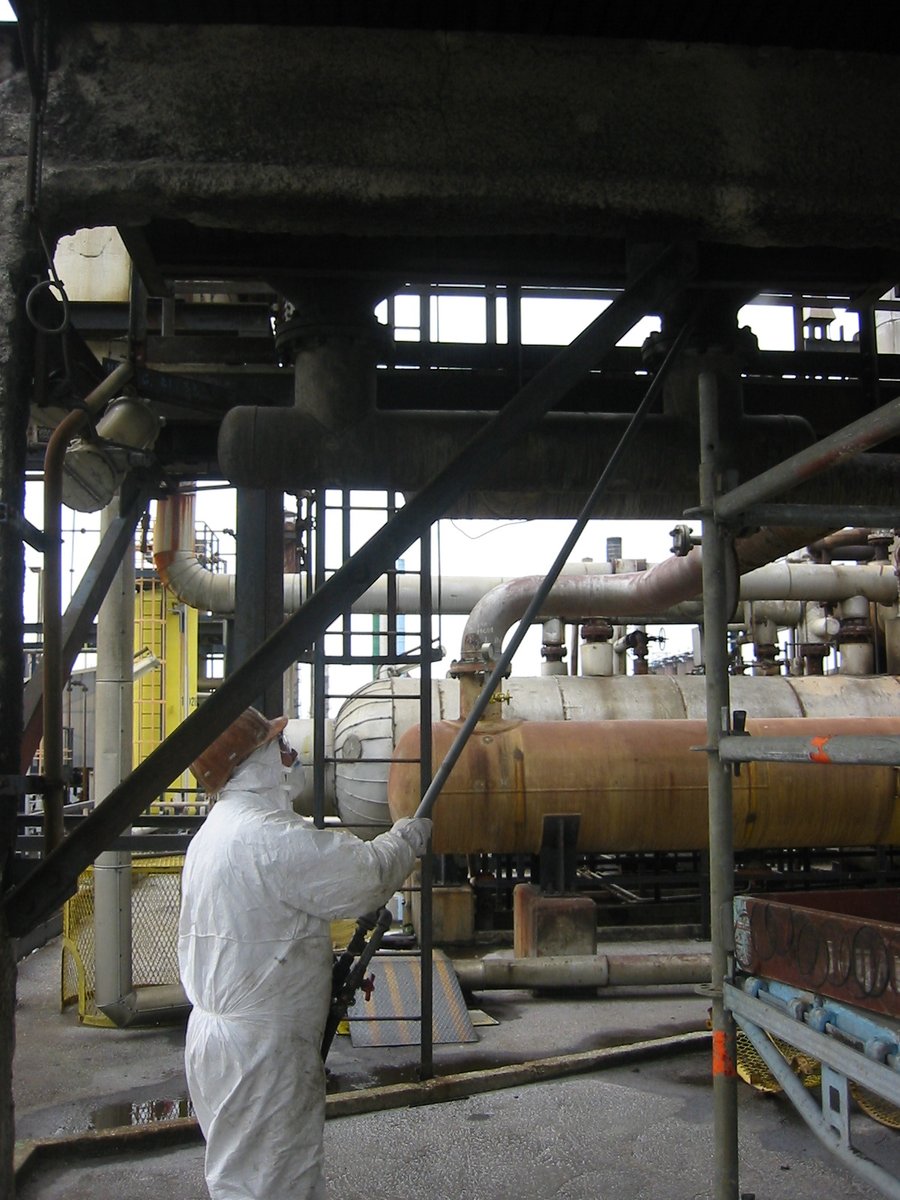
From a 1994 Breakthrough to the Next Era of Cooling Performance
We introduced DECAMEX® in 1994, transforming ACHE maintenance. Its dry, online process with zero effluent and proven material safety provided operators a way to protect cooling performance without the compromises of traditional methods.
This breakthrough was the result of CTP's decades of innovation in furnace and heat-exchanger cleaning. We applied field experience to develop practical, safe, and effective methods for restoring thermal performance under real operating constraints.
Today, as we celebrate a century of service to the industry, DECAMEX® honors our legacy while continuing to drive progress. The new generation offers enhanced monitoring, preventive, and safety features, as well as sustainability-focused improvements to address challenges such as decarbonization, water stewardship, safety, and asset optimization.